
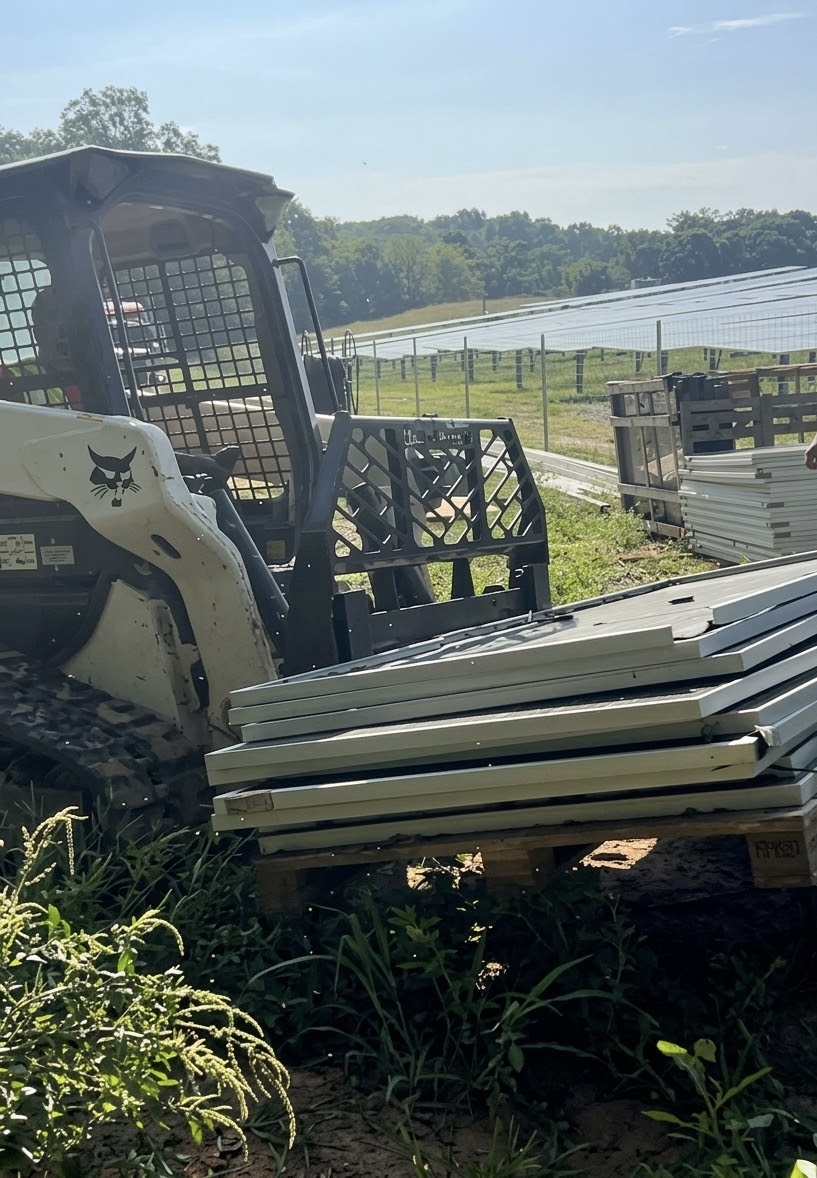
Solar projects are built to generate clean energy, but construction and operations can also generate materials that need to be managed responsibly. At a solar site in Maysville, Georgia, broken and damaged solar panels created a need for a responsible recycling solution, bringing in Green Clean Solar, a Georgia-based, woman-owned company specializing in solar waste management, recycling, and landfill diversion.
Green Clean Solar
Rather than allowing broken panels and other solar-related materials to become landfill waste, Green Clean Solar developed a recovery and recycling solution to collect the damaged panels, coordinate transportation, and ensure the materials were directed toward responsible downstream recycling.
The project highlights an increasingly important issue facing the rapidly growing solar industry: what happens to the panels that don’t make it to the end of their useful life?
For Emilie O’Leary, founder and CEO of Green Clean Solar, the answer is simple: they shouldn’t automatically go to a landfill.
“We love seeing new solar projects being built across the country, but we also have to acknowledge that broken panels are part of the process,” said O’Leary. “Panels can be damaged during transportation, handling, construction or other phases of a project. When that happens, we need to have a plan. These panels still contain valuable materials, and they deserve an opportunity to be recovered and recycled.”
The Customer Perspective: Sustainability Beyond Installation
The importance of responsible solar recycling is shared by the customers Green Clean Solar serves. Parker Persons, project engineer with Inman Solar, explained why recycling damaged modules is an important part of their sustainability strategy.
“Solar is built on sustainability, and we hold our equipment to that same standard,” he said. “When modules across our portfolio are damaged, we recycle them. This allows us to recover valuable materials for reuse while keeping potentially hazardous materials, such as lead and cadmium, out of landfills. Those recovered materials can then be put back to productive use, supporting a more circular economy. Working with Green Clean Solar has helped us achieve those goals.”
Turning Solar Waste Into Resources
The Georgia project is an example of the type of boots-on-the-ground solar waste management Green Clean Solar provides to commercial and utility-scale solar projects. The company works with developers, EPCs, asset owners, utilities, and other industry partners to manage solar waste generated throughout a project’s lifecycle, including:
- Broken and damaged solar panels
- New construction waste
- Decommissioned solar panels
- Packaging materials
- Aluminum racking
- Cables and wiring
- Inverters and electrical equipment
- Other solar-related materials
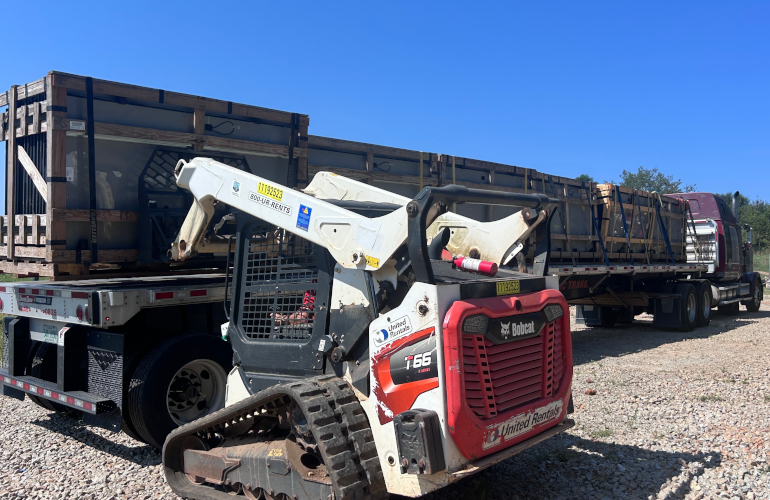
Green Clean Solar coordinates the collection, palletizing, loading, transportation, and responsible downstream recycling or reuse of materials. The company’s approach is focused on landfill diversion and circularity, helping solar companies understand where their waste goes and what materials can potentially be recovered.
“There is a misconception that recycling solar panels is only something we need to think about when a solar farm is being decommissioned,” O’Leary said. “That’s not true. Recycling needs to be part of the conversation from the very beginning of a project. If you have broken panels sitting on a construction site, that’s solar waste that needs a responsible solution today.”
A Growing Need for Solar Waste Management
Green Clean Solar
Green Clean Solar works with recycling and recovery partners to help ensure valuable materials such as glass, aluminum and metals can be recovered whenever feasible rather than being unnecessarily sent to landfills.
For O’Leary, this is about more than recycling a broken panel. It’s about changing how the solar industry thinks about waste.
“We’re building an incredible clean-energy industry, but clean energy shouldn’t create a waste problem that we ignore,” she said. “If we’re going to call solar sustainable, we have to be willing to deal with the waste that comes with it. That’s where Green Clean Solar comes in.”
Creating a More Circular Solar Industry
Green Clean Solar believes the future of solar sustainability will depend on looking at every component as a potential resource rather than simply waste.
The company continues to tour and work with solar recycling facilities and downstream partners across the country, exploring opportunities to recover materials and develop stronger circular-economy solutions for the solar industry.
The Georgia project demonstrates that responsible solar recycling doesn’t have to wait for a major disaster or the end of a solar farm’s life. Sometimes, it starts with something as simple as a stack of broken panels sitting on a job site.
“Every broken panel is a decision point,” said O’Leary. “We can throw it away, or we can do something better with it. I believe the solar industry is ready to choose better.”


Tell Us What You Think!