
Good Carbon Co. has installed a 3.75-MWh energy storage system from Viridi at Peace Bridge Place, a 105-unit affordable housing apartment building in Buffalo, New York. The project is likely one of the largest indoor lithium-ion battery systems in an occupied residential building in the United States.
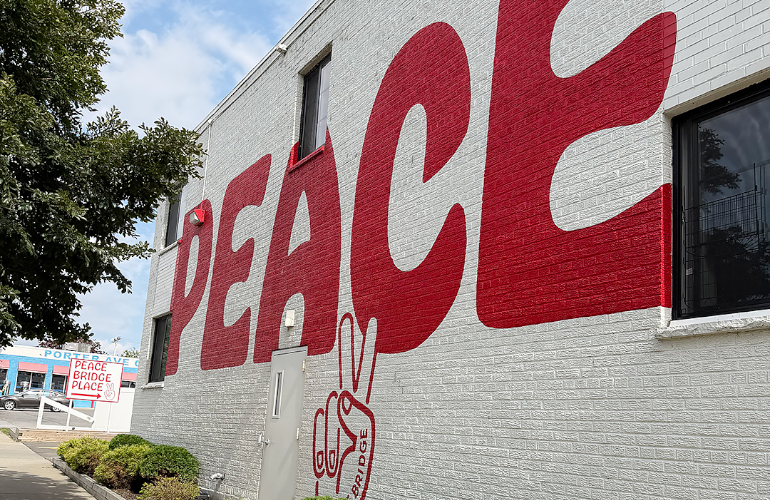 At Peace Bridge Place, Viridi’s RPSLinkIN indoor battery storage system is part of a broader clean energy strategy that includes geothermal heating and cooling, domestic hot water and high-efficient building envelope upgrades. The 3.75-MWh system is designed to provide extended backup power for the fully electrified building during outages, while also helping reduce demand on the local grid during peak periods. Good Carbon Co., which focuses on revitalizing multifamily properties in communities throughout Western New York, selected the system to strengthen energy resilience for residents and enable the property to enable flexible, grid-responsive energy management.
“Energy is one of the biggest operating costs in multifamily housing, and how you manage it directly affects the long-term performance of a property,” said Adam Serbert, CEO of Good Carbon Co. “At Peace Bridge Place, Viridi’s battery and energy management technology will help us reduce peak demand, avoid higher-cost periods and participate in demand response programs. That means lower operating costs, new revenue opportunities and a stronger economic foundation for keeping the property affordable and well maintained. For us, this is not just about one building — it is about creating a model we can apply across future multifamily projects.”
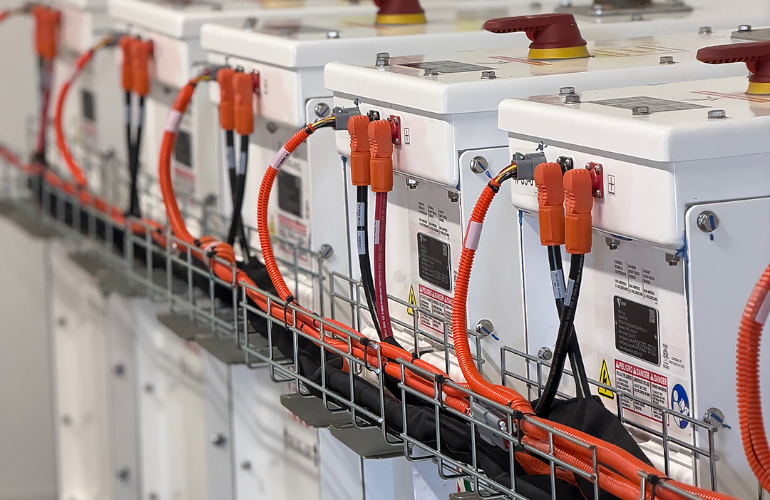 The New York State Energy Research and Development Agency (NYSERDA) is providing support to Good Carbon Co. for the Peace Bridge Place project through its Future Grid Challenge. The Peace Bridge Place project is a National Grid pilot focused on integrating flexible, grid-responsive technologies into its distribution network. Viridi’s energy storage and energy management technology will work in coordination with EnergyHub’s Edge Distributed Energy Resource Management System (DERMS), enabling the property to respond to National Grid signals during periods of peak electricity demand.
“Peace Bridge Place demonstrates how forward-thinking energy storage solutions can ensure New York’s multifamily buildings are meeting the energy needs of its residents while creating a more reliable and resilient electric grid,” said Doreen M. Harris, President and CEO, NYSERDA. “Projects like this embody NYSERDA’s mission to spur innovation that drives New York toward a clean energy future.”
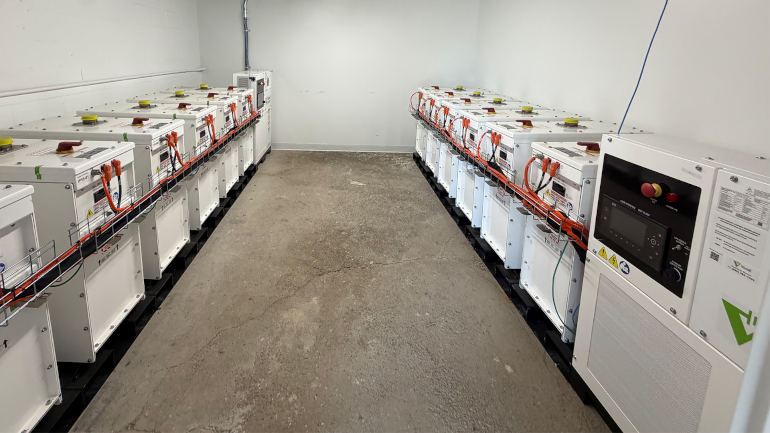 Distributed across seven battery rooms, the 3.75-MWh system is integrated with Viridi’s proprietary Energy Management System (EMS), which optimizes the property’s electricity use while enabling it to respond to changing conditions on the local grid.
“This project demonstrates what becomes possible when energy storage is designed to serve the building and the grid at the same time,” said Jon M. Williams, CEO of Viridi. “Peace Bridge Place will now be able to reduce peak demand, respond when the grid needs support and strengthen resilience for the people who live there. The bigger opportunity is proving that large-scale lithium-ion storage can be safely integrated into the places where people actually live and work. By unlocking occupied buildings for energy storage, we can dramatically expand where distributed energy resources can play a role in strengthening the grid.”
Peace Bridge Place is also a proof point for Viridi’s ability to scale this technology beyond a single project. At its Buffalo manufacturing facility, the company currently has the capacity to produce approximately 400 MWh of battery systems annually. The facility also has room to expand production as demand grows.
News item from Viridi


Tell Us What You Think!