Solar Power World

  • Home
  • Top Solar Contractors
  • Articles
    • Most Recent Posts
    • News
      • Latest News Items
      • SPW State News Hub
      • IRA/OBBBA coverage
      • Solar tariffs
      • U.S. manufacturing updates
    • Featured
      • Latest Feature Stories
      • The Solar Explorer
  • Policy
    • Latest policy headlines
    • IRA/OBBBA Coverage
    • Tariffs and Court Cases
  • Markets
    • Residential
    • Commercial
    • Community Solar
    • Utility
    • Storage
  • Products
    • Winners of SPW’s 2025 Top Products
    • Batteries and Storage
    • Electric Vehicle (EV)
    • Inverters
    • Racking and Mounting
    • Software
    • Solar Panels
  • Resources
    • About SPW
    • Digital Issues
    • Event Coverage
    • Podcasts
    • Solar Classrooms
    • Suppliers
    • Videos
    • Views
    • Voices
    • Webinars / Digital Events
    • Whitepapers
  • 2026 Leadership
    • 2025 Winners
  • Advertise
  • Subscribe

Monocrystalline Modules 101

By Kathie Zipp | February 22, 2012

Share

Monocrystalline solar modules are made from many smaller solar cells, each from a single wafer of silicon, so they appear smooth and even. These solar cells use pure silicon and involve a complicated crystal growth manufacturing process. Long silicon rods are produced and sliced into 0.2 to 0.4-mm thick discs or wafers that are processed into individual cells, which are wired together in the solar panel. This makes monocrystalline the most efficient solar technology, but also the most costly. SunPower Corp. and Sanyo both produce crystalline modules with some of the highest conversion efficiencies, in excess of 20%.
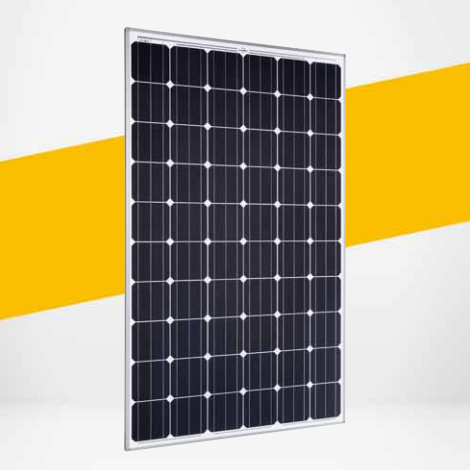
solarworld

SolarWorld monocrystalline solar module.

is one of the oldest solar technologies. Although their extremely fragility must be taken into consideration, they are dependable (even withstanding space travel) and readily available. Monocrystalline has a minimum lifespan of 25 years but can last more than 50, making them a worthwhile long-term investment. Some early solar modules installed in the 1970s are still producing electricity, though their efficiency drops over time. However, the United States Department of Energy reports that polycrystalline sales still outnumber monocrystalline silicon sales in the U.S.

This technology is best suited for those planning long-term solar projects who want the most efficient and reliable panels. Monocrystalline’s lifespan, performance, and efficiency make them a good investment over a longer period of time. They’re also a good choice when space is an issue, such as in urban settings because their efficiency makes them the smallest solar panel per watt available. As with other solar technologies, the monocrystalline market is expected to grow with the introduction of electric cars and increased energy demand.
Tell Us What You Think! Cancel reply

Related Articles Read More >

Bill calling for nationwide plug-in solar adoption introduced in House
Minneapolis unveils 704-kW community solar garden for LMI subscribers
VPPs to remain focus for sonnen after TIVEN acquisition
SEIA analysis: Solar is curbing consumer energy costs
“spw
 
“the-informed-solar-installer”
“spw
Don't miss a thing!
SPW brings you the must-read stories each morning in our special newsletter.

SPW Podcast

“solar
Solar Power World
  • Top Solar Contractors
  • Top Products
  • Leadership
  • Solar Articles
  • About/Contact Us
  • Subscribe
  • Advertising
  • Arrowfly LLC

Copyright © 2026 Arrowfly LLC. All Rights Reserved. The material on this site may not be reproduced, distributed, transmitted, cached or otherwise used, except with the prior written permission of Arrowfly LLC
Privacy Policy | RSS

Search Solar Power World

  • Home
  • Top Solar Contractors
  • Articles
    • Most Recent Posts
    • News
      • Latest News Items
      • SPW State News Hub
      • IRA/OBBBA coverage
      • Solar tariffs
      • U.S. manufacturing updates
    • Featured
      • Latest Feature Stories
      • The Solar Explorer
  • Policy
    • Latest policy headlines
    • IRA/OBBBA Coverage
    • Tariffs and Court Cases
  • Markets
    • Residential
    • Commercial
    • Community Solar
    • Utility
    • Storage
  • Products
    • Winners of SPW’s 2025 Top Products
    • Batteries and Storage
    • Electric Vehicle (EV)
    • Inverters
    • Racking and Mounting
    • Software
    • Solar Panels
  • Resources
    • About SPW
    • Digital Issues
    • Event Coverage
    • Podcasts
    • Solar Classrooms
    • Suppliers
    • Videos
    • Views
    • Voices
    • Webinars / Digital Events
    • Whitepapers
  • 2026 Leadership
    • 2025 Winners
  • Advertise
  • Subscribe